
aip diet plan pdf free
AIP Diet Plan PDF Free: A Comprehensive Guide (Updated 04/22/2026)
Discover a pathway to wellness! This guide offers a free AIP diet plan PDF, exploring how this specialized Paleo-based approach can reduce inflammation and manage autoimmune symptoms.
What is the Autoimmune Protocol (AIP) Diet?
The Autoimmune Protocol (AIP) diet is a highly restrictive elimination diet designed to reduce inflammation and address the root causes of autoimmune diseases. Building upon the principles of the Paleo diet, AIP takes a more stringent approach by removing foods commonly linked to immune reactivity.
It’s not simply a diet for weight loss, but a therapeutic strategy focused on gut health and immune system regulation. The AIP diet aims to identify and eliminate foods that may be triggering an immune response, allowing the body to heal and potentially enter remission.
This involves a two-phase process: an elimination phase followed by a carefully managed reintroduction phase. Understanding AIP is the first step towards reclaiming your health and well-being.
The Core Principles of AIP
AIP centers around several key principles aimed at calming the immune system and fostering gut healing. Primarily, it focuses on nutrient density, prioritizing foods packed with vitamins and minerals to support optimal bodily function. Removing potential irritants is crucial; this includes eliminating foods that commonly contribute to inflammation and leaky gut.
Gut health is paramount, as a significant portion of the immune system resides within the digestive tract. AIP emphasizes foods that nourish the gut lining and promote a balanced microbiome. Finally, lifestyle factors like stress management and adequate sleep are integral, recognizing the interconnectedness of mind and body in autoimmune conditions.
Why Choose an AIP Diet Plan?
Considering an AIP diet plan offers a proactive approach to managing autoimmune disease symptoms. Unlike general dietary advice, AIP specifically targets inflammation, a root cause of many autoimmune conditions. Individuals often experience reduced pain, improved energy levels, and better digestive health by removing triggering foods.
This diet isn’t a quick fix, but a long-term strategy for supporting overall wellness. It’s particularly beneficial for those who haven’t found relief through conventional treatments or other dietary changes. By focusing on gut health and immune regulation, AIP aims to address the underlying causes, not just mask the symptoms, offering a path towards sustained improvement;
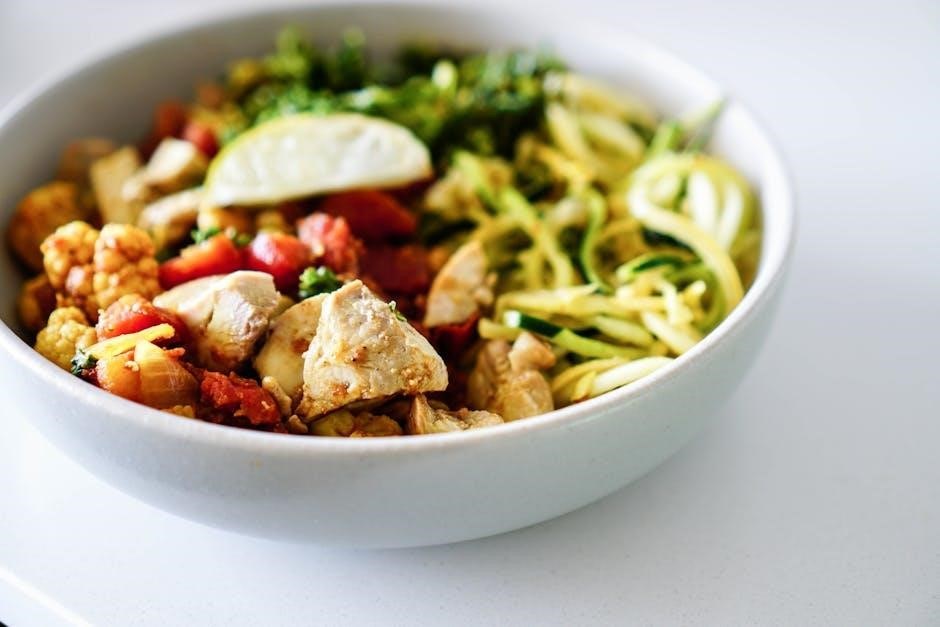
Phase 1: The Elimination Phase
Begin your healing journey! Phase 1 focuses on removing potentially inflammatory foods to calm the immune system and reduce autoimmune responses effectively.
Duration of Phase 1
Navigating the initial stage: The elimination phase, a cornerstone of the AIP diet, typically spans 30 to 90 days, though individual timelines can vary significantly. This isn’t a rigid timeframe, but rather a guideline based on symptom improvement and individual response.
Listen to your body: Some individuals may experience noticeable relief within 30 days, while others require the full 90 days – or even longer – to achieve substantial symptom reduction. It’s crucial to prioritize how you feel, not just the number of days passed.
Patience is key: Don’t rush the process! The goal is to allow your gut to heal and your immune system to calm down. Prematurely reintroducing foods can hinder progress. Consistent adherence to the elimination protocol during this phase is paramount for optimal results.
Foods to Eliminate in Phase 1
Strict removal is essential: Phase 1 demands a comprehensive elimination of potential inflammatory triggers. This includes grains (wheat, rice, corn), legumes (beans, lentils, peanuts), and all nightshades (tomatoes, peppers, eggplant, potatoes).
Further restrictions apply: Dairy products, eggs, and all nuts and seeds are also removed, as they commonly contribute to immune reactivity. Crucially, all processed foods and artificial additives – including emulsifiers, preservatives, and sweeteners – must be avoided.
Focus on whole foods: This phase isn’t about deprivation, but about providing your body with a clean slate. Eliminating these foods allows you to identify potential sensitivities during the reintroduction phase, paving the way for a personalized, healing diet.
Grains and Pseudograins
Complete avoidance is key: During Phase 1, all grains – wheat, rice, barley, corn, oats, rye, and spelt – are strictly prohibited. This extends to seemingly “healthier” options like quinoa and amaranth, classified as pseudograins due to their botanical origins.
Why eliminate them? Grains contain lectins and other compounds that can irritate the gut lining and trigger an immune response in susceptible individuals. Removing them reduces intestinal permeability and inflammation.
Hidden sources matter: Be vigilant about hidden grain ingredients in processed foods, sauces, and even some seasonings. Thorough label reading is crucial for successful adherence to the AIP protocol.
Legumes
Strictly excluded in Phase 1: All legumes – beans (black, kidney, pinto, etc.), lentils, peas, chickpeas, peanuts (yes, peanuts are legumes!), and soy products – must be eliminated. This includes soy sauce, tofu, edamame, and anything containing soy lecithin.
The reasoning behind removal: Legumes contain saponins and phytates, compounds that can disrupt gut health and contribute to inflammation. They can also be difficult to digest for many individuals with autoimmune conditions.
Beware of hidden legume ingredients: Legumes are often used as fillers or additives in processed foods. Careful scrutiny of ingredient lists is essential to ensure complete avoidance during the elimination phase.
Nightshades
Complete avoidance is key: The AIP diet necessitates the removal of all nightshade vegetables during Phase 1. This includes tomatoes, potatoes (white, red, yellow), peppers (bell peppers, chili peppers, paprika), eggplant, and goji berries.
Why eliminate nightshades? These vegetables contain alkaloids, compounds that can exacerbate inflammation and trigger autoimmune responses in sensitive individuals. They may disrupt gut permeability and contribute to joint pain.
Hidden sources to watch for: Nightshades are frequently found in sauces, spices, and processed foods. Read labels diligently, as paprika and chili powder are common hidden ingredients.
Dairy
Strict elimination is crucial: The AIP diet requires the complete removal of all dairy products during the initial elimination phase. This encompasses milk (cow, goat, sheep), cheese, yogurt, butter, kefir, and whey protein.
Why is dairy excluded? Dairy contains lactose and casein, proteins that can trigger inflammatory responses and contribute to gut issues in individuals with autoimmune conditions. It’s a common allergen and gut irritant.
Hidden dairy sources: Be vigilant about hidden dairy in processed foods, sauces, and even medications. Look for ingredients like whey, casein, and lactose on food labels.
Eggs
Complete avoidance is necessary: Similar to dairy, eggs are entirely excluded during Phase 1 of the AIP diet. This includes whole eggs, egg whites, and any foods containing egg as an ingredient – think baked goods, mayonnaise, and some processed meats.
Why eliminate eggs? Egg proteins are highly allergenic and can contribute to intestinal permeability (“leaky gut”) and immune system activation. They are a frequent trigger for autoimmune flares.
Hidden egg sources: Carefully scrutinize ingredient lists for egg lecithin, lysozyme, and albumin. These are often used as emulsifiers or binding agents in various food products.
Nuts and Seeds
Strict elimination is crucial: All nuts and seeds, including their butters, flours, and oils, are prohibited during the initial elimination phase of the AIP diet. This encompasses everything from almonds and walnuts to sunflower seeds and chia seeds.
Why are they excluded? Nuts and seeds contain lectins, phytic acid, and other compounds that can irritate the gut lining and potentially trigger an immune response in susceptible individuals.
Beware of hidden sources: Check ingredient labels diligently for nut and seed-derived ingredients in granola, sauces, and even seemingly unrelated products. Avoiding cross-contamination is also vital.
Processed Foods & Additives
A cornerstone of AIP: Complete avoidance of processed foods is paramount during Phase 1. This means steering clear of anything packaged, refined, or containing artificial ingredients. Focus on whole, unprocessed foods only.
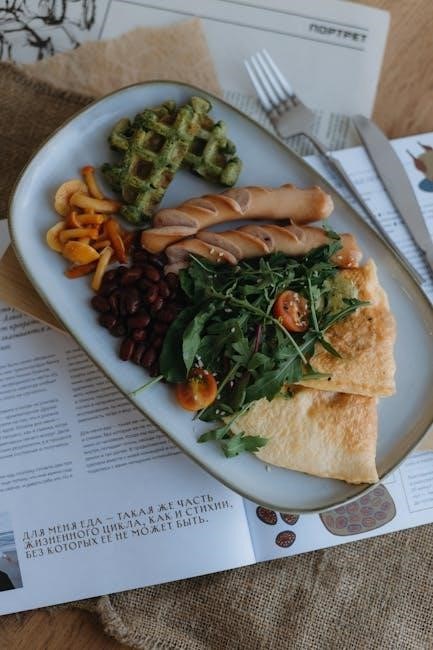
What to eliminate: This includes refined sugars, processed oils (canola, soybean, corn), artificial sweeteners, food colorings, preservatives, and emulsifiers. Even “healthy” processed snacks are off-limits.
Read labels carefully: Hidden additives are prevalent. Prioritize cooking from scratch using fresh ingredients to maintain strict adherence. This ensures you’re only consuming foods that support gut healing and minimize inflammation.
Foods Allowed in Phase 1
Building blocks for healing: Phase 1 focuses on nutrient-dense, anti-inflammatory foods. Prioritize easily digestible options to support gut repair and reduce autoimmune flare-ups.
Protein sources: Enjoy a variety of meats and poultry, ideally grass-fed and organic; Wild-caught fish and seafood are excellent choices, providing essential omega-3 fatty acids.
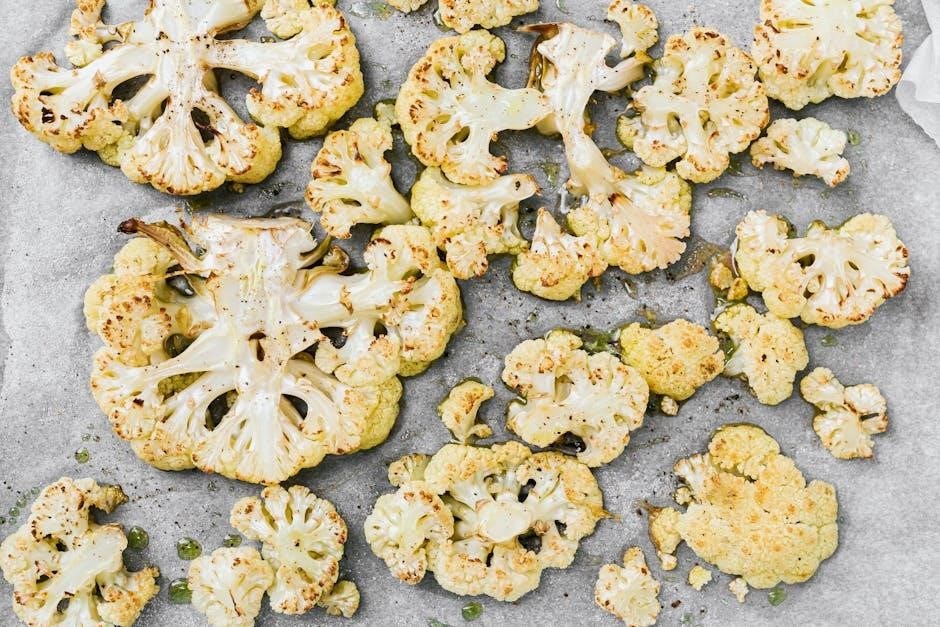
Vegetable abundance: Non-nightshade vegetables like leafy greens, broccoli, cauliflower, and root vegetables form the bulk of your diet. Fruits are permitted in moderation, focusing on low-glycemic options.
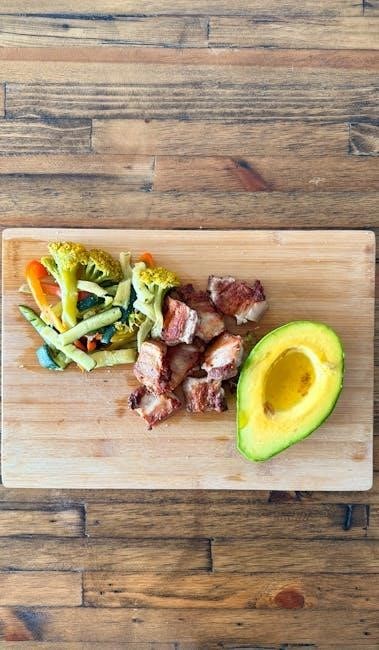
Healthy fats: Avocado, olive oil, and coconut oil provide essential fats for hormone production and overall health. These fats support cellular function and reduce inflammation.
Meat & Poultry
Foundation of Phase 1 protein: Meat and poultry are central to the AIP diet’s initial elimination phase, providing essential amino acids for tissue repair and overall health. Opt for high-quality sources whenever possible.
Prioritize quality: Grass-fed beef, pasture-raised chicken, and organic turkey are preferred, minimizing exposure to hormones, antibiotics, and inflammatory fats. These choices support optimal gut health.
Preparation methods: Focus on gentle cooking methods like steaming, poaching, or slow cooking to preserve nutrient content. Avoid grilling or frying, which can create harmful compounds.
Variety is key: Incorporate different types of meat and poultry to ensure a broad spectrum of nutrients. This supports a balanced and nourishing dietary approach during Phase 1.
Fish & Seafood
Essential Omega-3s: Fish and seafood are vital components of the AIP diet, offering rich sources of omega-3 fatty acids, known for their potent anti-inflammatory properties. These fats are crucial for supporting immune regulation.
Wild-caught preference: Prioritize wild-caught fish like salmon, mackerel, sardines, and herring. These options generally have a better nutrient profile and lower contaminant levels than farmed varieties.
Shellfish considerations: Shellfish is generally allowed during Phase 1, but individual tolerance can vary. Monitor for any adverse reactions after consumption.
Preparation guidelines: Bake, steam, or poach fish to preserve its delicate nutrients. Avoid frying or breading, which can introduce inflammatory ingredients.
Vegetables (Specific Allowed Types)
Nutrient Powerhouses: A colorful array of non-nightshade vegetables forms the foundation of Phase 1, providing essential vitamins, minerals, and fiber. These support gut health and overall well-being.
Allowed Varieties: Focus on leafy greens like spinach, kale, and romaine lettuce. Other excellent choices include broccoli, cauliflower (in moderation), carrots, beets, and cucumber.
Root Vegetable Benefits: Sweet potatoes are a fantastic source of carbohydrates and nutrients. Ensure they are well-cooked for optimal digestion.
Preparation is Key: Steam, roast, or sauté vegetables with healthy fats like olive oil or coconut oil to enhance flavor and nutrient absorption.
Fruits (Specific Allowed Types)
Natural Sweetness & Vital Nutrients: Fruits offer a delightful way to satisfy sweet cravings while providing essential vitamins, antioxidants, and fiber during the AIP elimination phase.
Approved Choices: Berries – blueberries, raspberries, strawberries, and blackberries – are excellent options due to their lower sugar content and high antioxidant profile. Apples and pears are also permitted.
Moderation is Important: While fruits are allowed, consume them in moderation to avoid blood sugar spikes. Pairing them with healthy fats can help stabilize glucose levels.
Avoid High-Fructose Fruits: Steer clear of fruits like bananas, oranges, and grapes during Phase 1, as they may exacerbate inflammation.
Healthy Fats & Oils
Foundation for Cellular Health: Healthy fats are crucial for hormone production, brain function, and nutrient absorption, playing a vital role in reducing inflammation during the AIP diet.
Excellent Choices: Avocado and avocado oil are staples, providing monounsaturated fats and essential nutrients. Olive oil (extra virgin) is also permitted, offering potent anti-inflammatory benefits.
Coconut Products: Coconut oil, coconut milk (full-fat, no additives), and coconut flakes are allowed, providing medium-chain triglycerides for energy.
Avoid Processed Oils: Strictly avoid all processed vegetable oils (canola, soybean, corn, sunflower) and refined oils, as they contribute to inflammation.
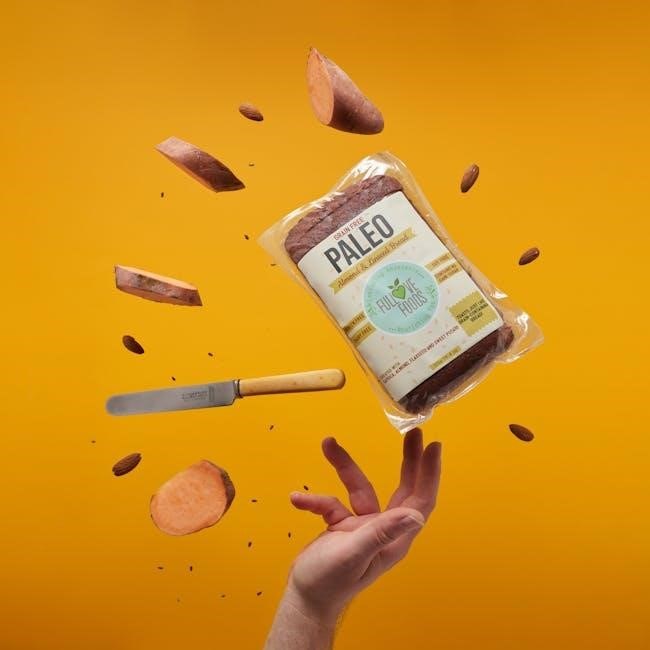
Phase 2: The Reintroduction Phase
Systematic Food Challenges: Carefully reintroduce eliminated foods one at a time, monitoring for symptoms to identify personal triggers and expand dietary diversity.
Starting Reintroduction – When & How
Timing is crucial. Begin reintroduction only after experiencing significant symptom improvement during the elimination phase – typically several weeks, but individual timelines vary. Don’t rush this process; a solid foundation is key.
Prioritize gut health. Ensure your digestive system is well-supported before introducing new foods. Focus on incorporating gut-healing foods allowed in Phase 1, like bone broth and fermented vegetables.
Choose wisely. Start with low-reactivity foods, often those from the same food family as those you’ve tolerated well. Common starting points include white rice or a small amount of butternut squash.
Document everything. Keep a detailed food and symptom journal to track your body’s response to each reintroduced food. This is vital for identifying sensitivities.
Reintroducing Foods – The Protocol
Systematic approach is essential. Introduce one food at a time, ensuring no other new foods are added concurrently. This isolates reactions and provides clarity.
Start small. Begin with a tiny portion of the chosen food – a teaspoon or two – on day one. Gradually increase the amount over the following days if no symptoms arise.
Observe carefully. Monitor for any adverse reactions, including digestive issues, skin changes, fatigue, or neurological symptoms. Be vigilant and trust your body’s signals.
The 6-Day Window. If no symptoms appear, continue the food for five days, then remove it and observe for another 24 hours. Absence of reaction confirms tolerance.
The 6-Day Reintroduction Test
A cornerstone of AIP success! This test meticulously assesses your tolerance to reintroduced foods, minimizing potential flare-ups. It’s a structured observation period.
Day 1-5: Gradual Increase. Start with a small serving of the test food and incrementally increase the quantity each day, noting any subtle changes in your well-being.
Day 6: Removal & Observation. Completely eliminate the food from your diet. This crucial step allows you to observe if delayed reactions occur, often overlooked.
Symptom Tracking. Maintain a detailed journal, documenting any physical or emotional shifts. This data is invaluable for identifying trigger foods and personal sensitivities.
Common Reintroduction Challenges
Navigating setbacks is key! Reintroduction isn’t always smooth; expect hurdles. Many experience subtle symptoms – fatigue, digestive upset, skin changes – easily dismissed.
Emotional Reactions. Food can evoke emotional responses. Be mindful of cravings or feelings of deprivation, as these can cloud objective assessment.
Delayed Reactions. Symptoms may appear 24-72 hours after consumption, demanding diligent tracking. Don’t assume immediate absence of reaction means tolerance.
The “Feel Good” Trap. A food might initially feel good, masking underlying inflammation. Long-term observation is vital. Patience and self-awareness are paramount during this phase.
Finding a Free AIP Diet Plan PDF
Access valuable resources! Locate free AIP diet plan PDFs from reliable sources to begin your journey towards healing and symptom management today.
Reliable Sources for AIP PDFs
Navigating the digital landscape for a trustworthy AIP diet plan PDF requires discernment. Several websites and practitioners offer valuable, free resources. Look to established autoimmune protocol advocates and registered dietitians specializing in this dietary approach.
Websites like AutoimmuneWellness.com frequently provide downloadable guides and resources. ThePaleoMom.com, run by Dr. Sarah Ballantyne, is another excellent source, offering comprehensive information and potentially free PDF options.
Be cautious of blogs with unclear credentials or those promoting quick fixes. Prioritize PDFs created by healthcare professionals or organizations dedicated to autoimmune health. Always verify the information aligns with established AIP principles before implementing any dietary changes. Remember, a well-researched PDF is a crucial first step!
What to Look for in an AIP PDF
A quality AIP diet plan PDF should be detailed and comprehensive. Prioritize documents clearly outlining both elimination and reintroduction phases, with extensive food lists – specifying what’s allowed and strictly prohibited.
Look for PDFs that explain the ‘why’ behind the AIP diet, detailing the gut-autoimmune connection and the rationale for eliminating specific food groups. A good resource will also offer guidance on meal planning, recipe ideas, and potential challenges.
Ensure the PDF emphasizes a gradual reintroduction process, including the crucial 6-day testing protocol. Beware of PDFs promoting overly restrictive or rapid changes. A trustworthy guide will prioritize long-term gut health and symptom management, not just short-term fixes.
Potential Risks of Unverified PDFs
Downloading AIP diet plans from untrustworthy sources carries significant risks. Unverified PDFs may contain inaccurate information, potentially worsening autoimmune symptoms or leading to nutritional deficiencies. Some could promote restrictive practices lacking scientific backing, hindering healing.
Be cautious of PDFs lacking author credentials or clear sourcing. Poorly researched plans might omit crucial details about food sensitivities or proper reintroduction protocols. This can trigger adverse reactions and delay progress.

Prioritize PDFs from reputable healthcare professionals or organizations. Always cross-reference information with trusted sources before implementing any dietary changes. Your health is paramount; avoid risking it with unverified online resources.
AIP Diet & Gut Health
AIP prioritizes gut health! This diet aims to reduce inflammation and support a balanced microbiome, crucial for managing autoimmune conditions effectively.
The Gut-Autoimmune Connection
The intricate link between gut health and the immune system is central to the AIP diet’s philosophy. A significant portion of the immune system resides in the gut, making its health paramount. When the gut lining becomes compromised – often referred to as “leaky gut” – undigested food particles, bacteria, and toxins can enter the bloodstream, triggering an immune response.
This constant immune activation can lead to chronic inflammation, a hallmark of autoimmune diseases; The AIP diet specifically targets gut healing by eliminating foods that commonly contribute to inflammation and gut irritation. By removing potential triggers and focusing on nutrient-dense, easily digestible foods, AIP aims to restore gut barrier function and modulate the immune system, ultimately reducing autoimmune symptoms.
Understanding this connection is key to appreciating the AIP diet’s holistic approach to wellness.
Supporting Gut Healing on AIP
AIP prioritizes gut restoration through specific dietary choices and supplemental support. Beyond simply eliminating inflammatory foods, the diet actively incorporates elements to nourish and rebuild the gut lining. Bone broth, rich in collagen and amino acids, is a cornerstone, providing building blocks for tissue repair.
Fermented foods, introduced during reintroduction, help repopulate the gut with beneficial bacteria, fostering a healthy microbiome. Focusing on easily digestible foods like well-cooked vegetables and quality proteins minimizes gut irritation.
Consider incorporating gut-healing supplements, like L-glutamine, under the guidance of a healthcare professional. Prioritizing these strategies alongside the AIP diet can significantly enhance gut health and overall well-being.

Beyond Diet: Lifestyle Factors for AIP Success
Maximize AIP benefits! Success extends beyond food; prioritize stress reduction, restorative sleep, and gentle movement to support healing and manage autoimmune responses.
Stress Management
Chronic stress significantly impacts autoimmune conditions, exacerbating inflammation and hindering healing processes. Therefore, incorporating effective stress management techniques is crucial for AIP success, complementing dietary changes. Consider practices like mindfulness meditation, deep breathing exercises, or yoga to calm the nervous system and reduce cortisol levels.
Regular engagement in enjoyable activities – hobbies, spending time in nature, or connecting with loved ones – can also serve as powerful stress relievers. Prioritizing self-care isn’t selfish; it’s a vital component of supporting your body’s natural healing capabilities. Explore journaling, creative expression, or simply dedicating quiet time for relaxation.
Remember, managing stress isn’t about eliminating it entirely, but rather developing healthy coping mechanisms to navigate challenges effectively and foster overall well-being alongside your AIP journey.
Sleep Hygiene
Prioritizing sleep is paramount when following an AIP diet plan, as restorative sleep is essential for immune regulation and gut healing. Aim for 7-9 hours of quality sleep each night to allow your body to repair and regenerate. Establish a consistent sleep schedule, going to bed and waking up around the same time daily, even on weekends.
Create a relaxing bedtime routine to signal your body it’s time to wind down. This could include a warm bath, reading a book (a physical copy, not a screen!), or gentle stretching. Ensure your bedroom is dark, quiet, and cool. Avoid caffeine and alcohol before bed, and limit screen time in the evening.
Good sleep hygiene directly supports the AIP protocol’s goals of reducing inflammation and promoting overall health.
Movement & Exercise
Gentle movement is key when implementing an AIP diet plan, focusing on activities that support, rather than stress, the body. High-intensity workouts can exacerbate inflammation, so prioritize low-impact exercises like walking, yoga, swimming, or tai chi. These promote circulation, reduce stress, and support gut motility – all vital for autoimmune management.
Listen to your body and avoid pushing yourself too hard, especially during the initial elimination phase. Start slowly and gradually increase intensity and duration as you feel stronger. Consider restorative practices like gentle stretching or foam rolling to ease muscle tension and improve flexibility.
Regular, mindful movement complements the AIP diet, fostering overall well-being.