japan visa application form sample
Japan Visa Application Form Sample: A Comprehensive Guide
Navigating the Japan visa application process requires meticulous attention to detail. This guide provides a comprehensive overview, covering form completion, date formats (day-month-year), and photograph specifications (45mm x 45mm).
Utilize online resources like pdfFiller for digital assistance. Remember Japanese addresses follow a 123-4567 zip code format, and consistency is key throughout the application.
Embarking on a journey to Japan often begins with navigating the visa application process. This process, while seemingly complex, becomes manageable with a clear understanding of the requirements and a systematic approach. The Japan visa application form is the cornerstone of this process, demanding accuracy and adherence to specific guidelines.
This guide serves as a detailed walkthrough, designed to demystify each section of the application form. Whether you are a tourist, student, or working professional, understanding the nuances of the form is crucial for a smooth and successful application. The current date is 03/23/2026, and staying updated with the latest requirements is essential.
Successfully completing the application hinges on providing consistent information. Discrepancies can lead to delays or even rejection. Pay close attention to details like address formats – Japanese zip codes are structured as 123-4567 – and date formats, which must be presented as day-month-year. Resources like pdfFiller can aid in digital completion, but careful review remains paramount. Remember, even if a visa is granted, altering your declared entry point may pose issues.
For those recently concluding overseas contracts (OFW applicants), accurately representing your current profession is vital. This guide will help you navigate these specific scenarios, ensuring a comprehensive and compliant application.
II. Understanding Visa Types and Requirements
Japan offers a diverse range of visas, each tailored to specific purposes of travel. Determining the correct visa type is the first crucial step in the application process. Common categories include Tourist Visas, Work Visas, Student Visas, and Visas for Family Visits. Each visa demands a unique set of supporting documents and eligibility criteria.
The requirements vary significantly based on your nationality and the duration of your intended stay. Generally, all applicants must provide a valid passport, a completed application form, a recent photograph (45mm x 45mm), and proof of sufficient funds to cover your expenses during your stay.
For work visas, a Certificate of Eligibility (COE) is typically required, obtained through your sponsoring employer in Japan. Student visas necessitate an acceptance letter from a Japanese educational institution. Tourist visas often require a detailed itinerary and proof of onward travel.
It’s vital to consult the official website of the Japanese Ministry of Foreign Affairs or your nearest Japanese embassy/consulate for the most up-to-date and accurate information. Utilizing resources like pdfFiller can streamline the form completion, but understanding the underlying requirements remains paramount for a successful application.

III. Obtaining the Application Form
Securing the official Japan visa application form is a straightforward process, offering both online and in-person options. The most convenient method is often downloading the form directly from the website of the Japanese Ministry of Foreign Affairs or the website of the Japanese embassy or consulate serving your region.
Numerous websites offer downloadable forms, including pdfFiller, which also provides tools for digital completion. However, always verify that the form is the most current version to avoid potential processing delays; Be cautious of unofficial sources that may offer outdated or inaccurate forms.
Alternatively, you can obtain a physical copy of the application form by visiting the Japanese embassy or consulate in person. This is particularly useful if you prefer to complete the form manually. Contact the embassy/consulate beforehand to confirm their operating hours and any specific requirements for form pickup.
Regardless of how you obtain the form, ensure it is printed on standard A4 size paper. Carefully review the form’s instructions before beginning to complete it, paying attention to any specific guidelines regarding acceptable ink colors and formatting.
A. Online Download Sources
Several reputable online platforms provide access to the official Japan visa application form. The primary and most reliable source is the website of the Japanese Ministry of Foreign Affairs. Look for the section dedicated to visa information and downloadable application forms specific to your visa type.
Additionally, the websites of individual Japanese embassies and consulates worldwide typically host downloadable forms. These versions are often tailored to the specific requirements of the region they serve, ensuring you have the correct version for your application.
pdfFiller emerges as a convenient resource, offering not only downloadable forms but also tools to complete them digitally. However, it’s crucial to confirm that the form sourced from pdfFiller is the latest official version, as third-party platforms may not always be immediately updated.
When downloading, prioritize official government websites to guarantee form authenticity. Always double-check the document’s version date and any accompanying instructions to ensure compliance with current visa regulations. Avoid downloading from unofficial or questionable sources to prevent using an outdated or incorrect form.
B. Embassy/Consulate Pickup
For applicants who prefer a physical copy, obtaining the Japan visa application form directly from the Japanese Embassy or Consulate is a viable option. This method ensures you receive the most current version of the form, eliminating any concerns about outdated versions found online.
Visiting the embassy or consulate in person allows you to inquire about specific requirements for your visa type. Staff members can provide guidance on completing the form accurately and address any questions you may have regarding supporting documentation.

However, it’s advisable to check the embassy/consulate’s website for operating hours and any appointment requirements before visiting. Some locations may require pre-scheduled appointments for form pickup or visa application submission.
Be prepared to provide information about your nationality and the purpose of your visit when requesting the form. This helps the consular staff direct you to the appropriate application form for your specific circumstances. While convenient, this method requires travel and adherence to the embassy/consulate’s schedule.
IV. General Instructions for Form Completion
Accurate and legible completion of the Japan visa application form is paramount for a smooth processing experience. Before you begin, carefully review the entire form to understand all required information and sections.
Consistency is key; ensure the information provided matches your passport and supporting documents. Discrepancies can lead to delays or even rejection of your application. Pay close attention to details like names, dates, and addresses.
All responses must be entered in English, unless specifically instructed otherwise. Use clear and concise language, avoiding abbreviations or jargon. If a section doesn’t apply to you, clearly indicate “N/A” (Not Applicable) rather than leaving it blank.
Remember to utilize black ink only when completing a physical form. This ensures readability for scanning and processing. Digital submissions should follow the specified file format and size guidelines. Double-check all entries before submitting to minimize errors and potential complications.
A. Using Black Ink
When completing a physical Japan visa application form, the exclusive use of black ink is a non-negotiable requirement. This seemingly minor detail significantly impacts the legibility and processing of your application.
Black ink provides the clearest contrast for scanning and photocopying, ensuring all information is accurately captured by the visa processing center. Other ink colors, particularly lighter shades, may not scan effectively, leading to misinterpretations or incomplete records.
Avoid using gel pens, pencil, or any ink that is prone to smudging. A clean, crisp presentation is crucial. If you make a mistake, do not attempt to erase or cross it out. Instead, neatly draw a single line through the error and write the correct information beside it.
This practice maintains the integrity of the document and demonstrates attention to detail. Remember, a well-presented application reflects positively on your overall credibility as an applicant. Adhering to this simple instruction can contribute to a smoother and faster visa processing experience.
V. Detailed Section-by-Section Guide
Successfully navigating the Japan visa application form hinges on a thorough, section-by-section approach. This guide will provide an overview of each segment, ensuring accurate and complete information is provided.
The form is logically structured, beginning with personal details, followed by passport information, residency, and employment/education history. Each section demands precise answers, mirroring the details in supporting documentation.
Travel information, including intended dates of stay and itinerary, is critical. The guarantor section requires details from your host in Japan, if applicable. Accuracy and consistency across all sections are paramount.
Pay close attention to specific requirements for each field, such as the prescribed date format (day-month-year) and address conventions (123-4567 zip code). For students or OFW applicants, specific guidance applies to occupation and employer details.
Remember to review your completed form meticulously before submission, verifying all entries against your supporting documents. A comprehensive and accurate application significantly increases your chances of a successful visa outcome.

A. Personal Information (Sections 1-5)
Sections 1 through 5 of the Japan visa application form focus on gathering your fundamental personal details. This includes your full name (as it appears in your passport), date of birth, place of birth, and nationality. Accuracy is crucial; discrepancies can lead to delays or rejection.
You’ll also be asked to provide your gender, marital status, and details regarding your religious beliefs. Be prepared to state your permanent address and current address if different. Ensure consistency between the information provided here and your supporting documents.
These initial sections establish your identity and background, forming the foundation of your application. Double-check all entries for typos or errors before proceeding. Remember to use black ink when completing a physical form.
Providing accurate information in these sections is paramount. Any inconsistencies may raise concerns and require further clarification from the Japanese authorities. Take your time and review each field carefully before finalizing your responses.
B. Passport Details (Section 6)
Section 6 of the Japan visa application form is dedicated entirely to your passport information. This is a critical section, as your passport serves as your primary travel document and proof of identity.
You will need to accurately transcribe your passport number, place of issue, and date of issue. Ensure the dates are formatted correctly – day-month-year – to avoid any misunderstandings. Also, clearly state your passport’s expiration date. A passport with insufficient validity may result in application denial.
Double-check every digit and character to guarantee accuracy. Any discrepancies between the information on your application and your actual passport will likely cause significant delays or rejection.
It’s essential that the name on your application precisely matches the name as it appears on your passport. This section requires meticulous attention to detail; a simple error can jeopardize your visa application. Confirm all details before submitting the form.
C. Residence Information (Section 7)
Section 7 of the Japan visa application form focuses on your current residential address. Providing accurate and up-to-date information is crucial for processing your application and ensuring proper communication from the embassy or consulate.
You will be required to provide your complete address, including street number, city, and postal code. Remember that Japanese postal codes are formatted as 123-4567. Ensure you use this specific format to avoid errors.
If you are currently residing in a country different from your nationality, you must provide the details of your current residence. This includes the address where you are legally and consistently living.
Accuracy is paramount in this section. Any inconsistencies or inaccuracies could lead to delays or rejection of your visa application. Double-check all details before submission. If you have recently moved, use your current address, not a previous one.
D. Employment/Education Details (Sections 8-10)
Sections 8 through 10 of the Japan visa application form require detailed information regarding your current employment or educational status. This section is vital for assessing your ties to your home country and your intentions for travel.
If employed, provide the full name and address of your employer, along with your current position and length of employment. Be precise and consistent with the information provided.
For students, clearly state the name and address of your school or university, your field of study, and your expected graduation date. This demonstrates your commitment to your education.
If you have recently completed a contract, especially as an OFW (Overseas Filipino Worker), carefully consider how to represent your profession. Clearly indicate your previous role and employment dates. Consistency is key if you’ve already been granted a visa.
Ensure all details align with supporting documentation, such as employment certificates or school enrollment records. Accuracy and completeness are essential for a smooth application process.
E. Travel Information (Sections 11-13)
Sections 11 to 13 of the Japan visa application form focus on your intended travel plans. Providing accurate and consistent travel details is crucial for a successful application.
You will need to specify your planned date of arrival in Japan, the duration of your stay, and your intended activities. Be realistic and align these details with your supporting documents, such as hotel reservations or tour itineraries.
Clearly state your port of entry into Japan. While changes to your entry point may be permissible after visa approval, it’s vital to declare your initial intended entry point accurately on the form.
Provide details of your accommodation in Japan, including the address and contact information of your hotel or host. If staying with a guarantor, their information will be required in subsequent sections.
Ensure all dates are formatted correctly as day-month-year. Double-check for any discrepancies between the information provided in this section and other parts of the application.
F. Guarantor Information (Sections 14-16)

Sections 14 through 16 pertain to your guarantor in Japan, if applicable. A guarantor is someone residing in Japan who takes responsibility for your stay and ensures you adhere to Japanese laws.
If you have a guarantor, you must provide their detailed personal information, including their name, address (using the correct 123-4567 zip code format), occupation, and contact details. Accurate information is paramount.
The guarantor must also provide information regarding their relationship to you and their financial capacity to support your stay. This demonstrates their ability to fulfill their responsibilities.
If you do not have a guarantor, you may need to explain your circumstances or provide alternative documentation. This could include proof of sufficient funds to cover your expenses during your trip.

Consistency between the guarantor’s information and supporting documents is essential. Any discrepancies could lead to delays or rejection of your visa application. Ensure all details are meticulously verified.
VI. Date Format Specifics (Day-Month-Year)
A crucial detail often overlooked when completing the Japan visa application form is the date format. The Japanese authorities strictly require all dates to be presented in the Day-Month-Year (DD-MM-YYYY) format.
This differs from the common Month-Day-Year (MM-DD-YYYY) format used in some countries, particularly the United States. Failing to adhere to this specific format is a frequent cause for application rejection or delays.
Ensure consistency throughout the entire application form. Dates of birth, entry dates, exit dates, and any other date-related fields must all follow the DD-MM-YYYY structure.
Double-check each date entry before submitting your application. A simple error in date formatting can invalidate your entire application, requiring you to restart the process.
Pay close attention when filling out sections related to employment history or travel plans, as these often require precise date entries. Accuracy in date formatting is paramount for a successful visa application.
VII. Photograph Requirements (45mm x 45mm)
The photograph submitted with your Japan visa application is a critical component of the assessment process. Strict adherence to the specified requirements is essential to avoid rejection.
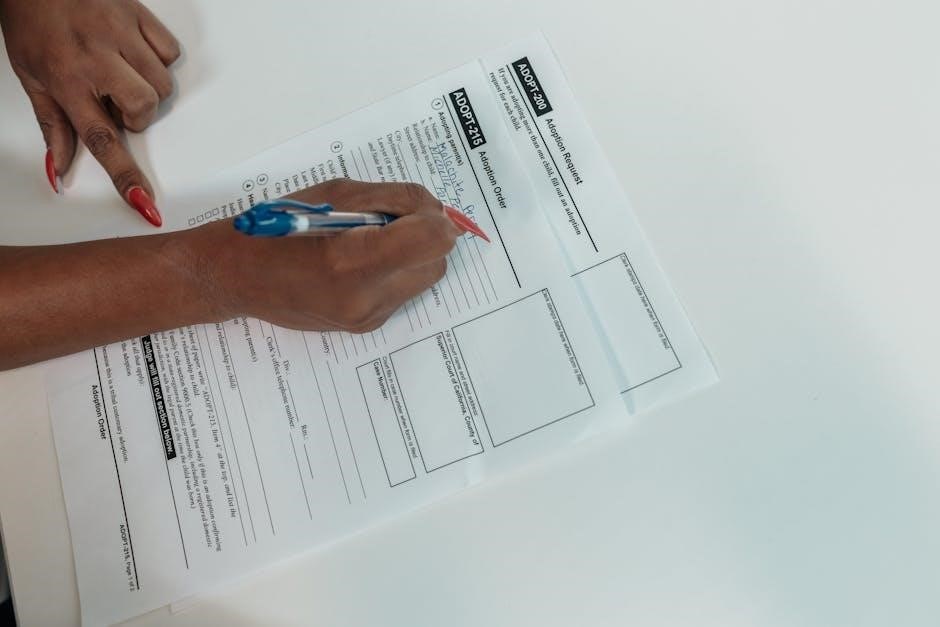
The required photograph size is 45mm x 45mm (approximately 2 inches by 2 inches). This is a non-negotiable requirement, and photographs of different sizes will not be accepted.
The photograph must be a recent, clear, and color image with a white background. Avoid photographs with shadows, glare, or any obstructions.
Your face should be fully visible and centered in the photograph. Ensure your expression is neutral, with both eyes open and clearly visible.
The photograph must be glued securely to the designated area on the application form. Do not use staples, paper clips, or any other fastening methods.
Head coverings are generally not permitted, except for religious reasons, and even then, the face must be fully visible. Ensure the photograph meets all criteria to prevent delays or rejection.
VIII. Addressing Japanese Addresses and Zip Codes (123-4567)
Accurate address formatting is crucial when completing your Japan visa application. Japanese addresses differ significantly from those in many other countries, and specific conventions must be followed.
The Japanese postal code (zip code) consists of seven digits, separated by a hyphen into three parts: 123-4567. This format is mandatory for all addresses on your application.
Japanese addresses are typically written in the order of prefecture, city, ward (if applicable), and then the specific address. There is no direct equivalent to “street” in the Western sense.
It’s important to note that address components are often written in Japanese characters (kanji, hiragana, katakana). However, for visa applications, providing the address in Romanized script (Romaji) is usually acceptable and often preferred.
Double-check the address provided by your guarantor or the hotel/accommodation you’ll be staying at. Incorrect address formatting can cause delays in processing your visa.
Utilize online resources to verify the correct postal code and address format for your destination in Japan. Accuracy is paramount for a smooth application process.
IX. Special Considerations for Students & OFW Applicants
Students and Overseas Filipino Workers (OFWs) require specific attention when completing the Japan visa application form. Unique circumstances often necessitate tailored responses.
For students, the “Name and address of employer” and “Current profession or occupation and position” sections should reflect your school’s details. Clearly state the school’s name and full address. Your occupation is “Student”.
OFWs who have recently finished a contract in another country should carefully consider their profession entry. Avoid ambiguity; clearly state your previous role and employer. Consistency with previous visa applications is advisable.
If applying immediately after an OFW contract, provide accurate dates of employment. Ensure the dates align with your employment records.
Both student and OFW applicants must demonstrate sufficient funds to cover their stay in Japan. Provide clear evidence of financial support, such as scholarship letters or bank statements.
Consistency is key. If a visa has been granted previously, ensure the entry point declared matches the current application, if possible. Discrepancies may require explanation.
X. Digital Submission and Online Tools (pdfFiller)
While traditional paper submissions are accepted, digital tools streamline the Japan visa application process. Platforms like pdfFiller offer convenient solutions for completing and submitting your form electronically.
pdfFiller allows users to type directly into fillable fields, insert images, highlight important data, and even add signatures. You can upload a digital signature, type it, or capture it using your camera.
The platform supports various functionalities, including text editing, data blacking for privacy, and annotation tools. This ensures a professional and accurate application.
Once completed, pdfFiller facilitates easy sharing via email, fax, or a secure URL. This eliminates the need for physical printing and mailing.
Please note that pdfFiller is a third-party service and is not affiliated with the official Japan visa application process. Always verify requirements with the Japanese Embassy or Consulate.
Utilizing digital tools can save time and reduce errors, but careful review remains crucial. Double-check all information before submitting your application, regardless of the method used.