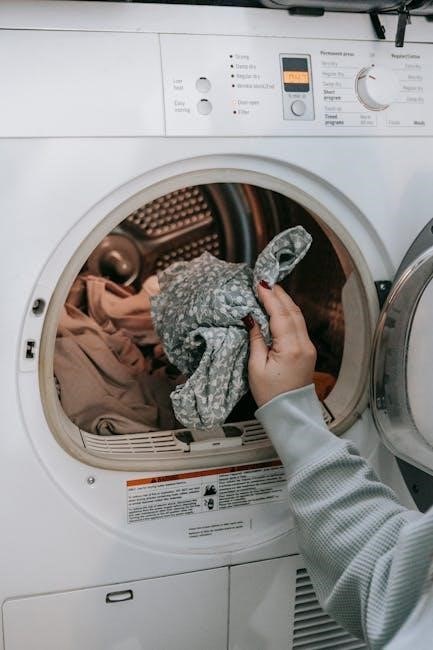
kenmore elite top load washer owners manual
Kenmore Elite Top Load Washer Owners Manual: A Comprehensive Guide
Welcome! This manual details the Kenmore Elite top load washer‚ offering guides‚ troubleshooting‚ and specifications sourced from the Internet Archive and repair resources.
Access manuals‚ technical repair information‚ and use & care guides for optimal performance and longevity of your appliance‚ including Spanish versions.
Congratulations on selecting a Kenmore Elite top load washing machine! This appliance represents a commitment to quality and innovative laundry care. This manual serves as a comprehensive resource‚ guiding you through every aspect of your washer’s operation‚ maintenance‚ and troubleshooting.
The Kenmore Elite series is designed for powerful cleaning and reliable performance. Information available online‚ including resources from the Internet Archive‚ highlights various models like the HE5T‚ offering substantial capacity – up to 5.2 cu. ft. – and features like steam cycles and Ultra Wash.
Whether you’ve recently purchased your washer or are a long-time owner‚ this guide will help you maximize its potential. We’ll cover everything from understanding your specific model number to addressing common issues‚ ensuring years of efficient and effective laundry results. Explore the detailed manuals and repair resources available for a seamless experience.
Understanding Your Washer Model Number
Your Kenmore Elite washer’s model number is crucial for accessing specific information‚ parts‚ and support. This alphanumeric code identifies the unique features and specifications of your machine. It’s typically located on a sticker‚ often found inside the washer lid‚ on the back panel‚ or around the door opening.
The model number is essential when downloading the correct owner’s manual from resources like the Internet Archive. For example‚ the HE5T is a specific model with its own documentation. When seeking technical repair information – such as the complete test procedures for the main control or key encoders – having the precise model number is paramount.
Referencing your model number ensures you receive accurate guidance for troubleshooting‚ ordering replacement parts‚ and understanding warranty coverage. Keep this number readily available for all service inquiries and maintenance needs.
Safety Precautions and Warnings
Prioritize safety when operating your Kenmore Elite top load washer. Always disconnect the power supply before performing any maintenance or repairs. Never attempt self-repair of electrical components; consult a qualified technician. Keep children and pets away from the washer during operation‚ as it contains moving parts and potentially hazardous chemicals.
Avoid contact with water that may have been used to wash contaminated clothing. Do not overload the washer‚ as this can cause instability and potential damage; Ensure the washer is properly grounded to prevent electrical shock.
Read the complete owner’s manual for detailed safety instructions and warnings. Improper use can lead to injury or damage to the appliance. Follow all guidelines to ensure safe and efficient operation.

Washer Features and Controls
Explore the capabilities! This section details the Kenmore Elite washer’s control panel‚ cycle options‚ water temperature settings‚ and recommended load sizes for optimal use.
Control Panel Overview

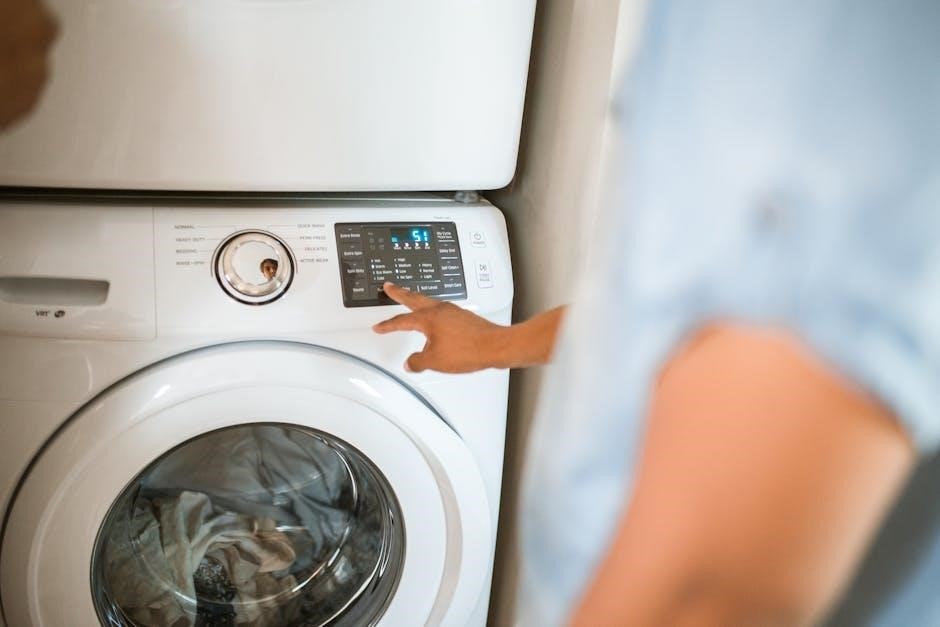
Navigating the Interface: The Kenmore Elite top load washer’s control panel is designed for intuitive operation. It features a clear display and logically arranged buttons for cycle selection‚ temperature adjustments‚ and option settings. Familiarize yourself with the power button‚ start/pause button‚ and cycle selector dial.
Cycle Options: The panel provides a range of cycles‚ including Normal‚ Delicates‚ Heavy Duty‚ Quick Wash‚ and a Steam cycle. Each cycle is optimized for specific fabric types and soil levels.
Modifier Options: Additional options‚ such as extra rinse‚ spin speed control‚ and soil level selection‚ allow for customized washing. The control panel also includes indicator lights to display the current cycle status‚ remaining time‚ and any error codes. Refer to the full manual (available via Internet Archive resources) for detailed explanations of each function and setting.
Cycle Selection Guide
Choosing the Right Wash: Selecting the appropriate cycle is crucial for optimal cleaning and fabric care. The Normal cycle suits everyday laundry. For delicate items like lingerie and silk‚ use the Delicates cycle; Heavily soiled loads‚ such as work clothes or towels‚ benefit from the Heavy Duty cycle.
Quick Options & Steam: When time is limited‚ the Quick Wash cycle provides a faster cleaning option. The Steam cycle enhances cleaning power and sanitizes fabrics. Consider the Ultra Wash cycle for exceptionally dirty loads‚ as noted in owner’s manuals.
Specialty Cycles: Explore additional cycles like Bulky Items for comforters and blankets. Always consult the garment care label and the comprehensive guide (found on the Internet Archive) to ensure proper cycle selection and prevent damage.
Water Temperature Settings
Temperature Control is Key: Your Kenmore Elite washer offers a range of water temperature settings to cater to various fabric types and soil levels. Cold Wash is ideal for delicate fabrics‚ bright colors‚ and lightly soiled items‚ conserving energy. Warm Wash is suitable for everyday laundry and moderately soiled clothes.
Hot Water Power: Hot Wash is recommended for whites‚ heavily soiled items‚ and sanitizing laundry. Always check garment care labels before selecting a temperature. Utilizing the correct temperature prevents fading‚ shrinking‚ and damage.
Customization Options: Some models allow for customized temperature adjustments within each cycle. Refer to your specific model’s manual (available via the Internet Archive) for detailed instructions and optimal settings for various fabrics and laundry needs.
Load Size Recommendations
Optimal Loading for Performance: To ensure efficient cleaning and prevent damage to your Kenmore Elite top load washer‚ adhere to recommended load sizes. Avoid overloading‚ as this restricts garment movement and reduces cleaning effectiveness. The 5.2 cu. ft. capacity (as noted in online resources) allows for substantial loads‚ but moderation is crucial.
Load Level Guidelines: For best results‚ fill the wash basket approximately three-quarters full with loosely loaded items. For bulky items like blankets or comforters‚ reduce the load size to prevent strain on the motor and ensure thorough washing.
Sensor Technology: Some models feature sensors that automatically adjust water levels based on load size. Consult your owner’s manual (found on the Internet Archive) for specific guidance on load capacity and sensor functionality.

Operating Instructions
Begin washing! Properly load laundry‚ add detergent‚ select cycles‚ and utilize steam functions as detailed in the Kenmore Elite manual available online.
Adding Detergent and Fabric Softener
Detergent Dispensing: The Kenmore Elite top load washer features dispenser drawers for optimal detergent and fabric softener distribution. Refer to your owner’s manual‚ readily available through the Internet Archive‚ for specific compartment locations.
HE Detergent: This washer is designed for High Efficiency (HE) detergents only. Using non-HE detergent will create excessive suds‚ potentially damaging the machine and voiding the warranty.
Amount: Carefully measure detergent according to the load size and soil level‚ following the detergent manufacturer’s recommendations. Overusing detergent doesn’t mean cleaner clothes!
Fabric Softener: Pour fabric softener into the designated compartment‚ avoiding direct contact with clothing. Do not overfill‚ as this can cause staining. Always check the Internet Archive for the specific manual pertaining to your model number for detailed instructions.
Loading and Unloading Laundry
Load Distribution: When loading your Kenmore Elite top load washer‚ distribute items evenly around the agitator to maintain balance during the wash cycle. Avoid overloading‚ as this can reduce cleaning effectiveness and potentially damage the machine. Consult the “Load Size Recommendations” section of your owner’s manual.
Item Placement: Place larger items‚ like sheets and towels‚ around the agitator‚ and smaller items in between. Ensure items aren’t wrapped around the agitator.
Unloading: After the cycle completes‚ promptly remove laundry to prevent mildew and wrinkles. Check the drum for any forgotten items.
Safety First: Always unplug the washer before performing any maintenance or cleaning. Refer to the Internet Archive for your specific model’s manual for detailed loading and unloading guidelines.
Starting a Wash Cycle
Cycle Selection: Begin by selecting the appropriate wash cycle using the control panel. Refer to the “Cycle Selection Guide” for details on each cycle’s function and recommended use. Ensure the water temperature is set correctly based on your laundry’s fabric type.
Initiating the Wash: Once detergent and fabric softener are added (see “Adding Detergent and Fabric Softener”)‚ close the lid securely. Press the “Start” button to initiate the wash cycle. The washer will automatically fill with water‚ agitate‚ rinse‚ and spin;

Pausing/Stopping: To pause a cycle‚ press the “Pause/Cancel” button. To stop the cycle completely‚ press and hold the button until the washer stops. Always consult your owner’s manual‚ available via the Internet Archive‚ for specific instructions.
Using the Steam Function
Steam Cycle Selection: Your Kenmore Elite washer features a Steam cycle‚ designed to enhance cleaning and reduce wrinkles. Locate the “Steam” option on the control panel – often part of an “Ultra Wash” or similar cycle. Refer to the owner’s manual (available on the Internet Archive) for precise cycle names and availability on your specific model.
Benefits of Steam: Steam penetrates fabrics‚ loosening dirt and stains more effectively than traditional washing. This is particularly useful for heavily soiled items or those requiring sanitization. Ensure the water inlet hoses are properly connected for optimal steam generation.
Cycle Operation: Select the Steam cycle‚ load your laundry‚ add detergent‚ and press “Start.” The washer will automatically manage the steam injection process during the wash cycle.

Maintenance and Care
Regular upkeep is key! Clean the interior‚ dispenser drawers‚ lint filter‚ and inlet hoses to maintain peak performance and extend your washer’s lifespan.
Cleaning the Washer Interior
Maintaining a fresh and clean washer interior is crucial for optimal performance and preventing unpleasant odors. Regularly wipe down the wash basket with a damp cloth and mild detergent. For a deeper clean‚ consider running an empty wash cycle with hot water and a washing machine cleaner.
This helps remove residue buildup from detergents‚ fabric softeners‚ and mineral deposits. Pay attention to areas around the agitator or impeller‚ as these can accumulate grime. Avoid using abrasive cleaners‚ as they may damage the finish.
Frequency: It’s recommended to perform a thorough interior cleaning at least once a month‚ or more often if you notice any lingering odors or visible residue. Consistent cleaning ensures your Kenmore Elite washer remains hygienic and operates efficiently‚ preserving its longevity.
Cleaning the Dispenser Drawers
Regularly cleaning the dispenser drawers is essential to prevent clogs and ensure accurate detergent and fabric softener distribution. Remove the drawers by gently pressing the release tab (consult your full owner’s manual for specific instructions‚ as mechanisms vary).
Rinse the drawers thoroughly under warm water‚ removing any accumulated residue. For stubborn buildup‚ soak the drawers in a solution of warm water and mild detergent. Use a soft brush to scrub away any remaining deposits.
Important: Ensure the drawers are completely dry before reinserting them into the washer. Clogged dispensers can lead to detergent not dispensing correctly‚ impacting wash performance. Cleaning frequency depends on usage‚ but monthly cleaning is generally recommended.
Cleaning the Lint Filter
Maintaining a clean lint filter is crucial for optimal washer performance and preventing drainage issues. Locate the lint filter – typically found inside the washer tub‚ often near the top or under a removable panel. Remove the filter according to your model’s specific instructions (refer to the full owner’s manual).
Remove accumulated lint by hand. A gentle brush can help dislodge stubborn fibers. Rinse the filter thoroughly under warm water to remove any remaining debris. Ensure the filter is completely clean before reinstalling it.
Regular cleaning – after each load is ideal‚ but at least monthly – prevents clogs and ensures efficient water drainage. A clogged filter can reduce washing effectiveness and potentially cause error codes.

Inspecting and Cleaning Inlet Hoses
Regularly inspect the hot and cold water inlet hoses connected to your Kenmore Elite washer for any signs of bulging‚ cracking‚ or leaks. These hoses supply water to the machine and deterioration can lead to water damage; Carefully examine the connections at both the faucet and the washer.
To clean the hoses‚ disconnect the water supply and carefully remove the hoses. Check the inlet screens where the hoses connect to the washer for sediment buildup. Remove any debris with a small brush or by flushing with water.
Replace hoses every 5 years‚ or immediately if any damage is detected. Securely reconnect the hoses‚ ensuring tight connections to prevent leaks. This preventative maintenance safeguards against potential water damage.
Troubleshooting Common Issues
Resolve problems like the washer not starting‚ failing to drain‚ or displaying error codes using diagnostic steps and repair resources found online.
Address leaking water promptly to prevent damage‚ referencing manuals for specific error code meanings.
Washer Won’t Start
If your Kenmore Elite top load washer fails to start‚ several potential issues could be the cause. First‚ verify the power supply – ensure the washer is properly plugged into a functioning outlet. Check your home’s circuit breaker or fuse box to confirm the circuit hasn’t tripped or blown.
Next‚ examine the lid switch. The washer won’t operate if the lid switch isn’t engaging correctly. Refer to the technical repair manual (available via iFixit and the Internet Archive) for testing procedures for the main control and keys/encoders. A faulty lid switch prevents operation as a safety measure.
Consider the control board‚ though replacement shouldn’t be the immediate solution. Thoroughly test other components first‚ utilizing the complete test procedures outlined in the Kenmore Top Load Washer test manual. Finally‚ check for error codes displayed on the control panel‚ as these can pinpoint the specific problem.
Washer Won’t Drain
If your Kenmore Elite washer isn’t draining‚ begin by checking the drain hose. Ensure it isn’t kinked‚ clogged‚ or positioned too high‚ as this can impede water flow. Verify the hose is securely connected to the drainpipe or standpipe.
Inspect the drain pump filter for obstructions like lint‚ coins‚ or small articles of clothing. Refer to the owner’s manual for the filter’s location and cleaning instructions. A clogged filter is a common cause of drainage issues.
Examine the drain pump itself. A faulty pump may require replacement. Consult the technical repair manual (found on the Internet Archive) for testing procedures. Check for error codes displayed on the control panel‚ which can offer clues about the problem. Finally‚ ensure there are no issues with your home’s drain system.
Error Codes and Their Meanings
Kenmore Elite washers utilize error codes to diagnose internal issues. While specific codes vary by model‚ understanding them is crucial for troubleshooting. The technical repair manual‚ available via resources like iFixit and the Internet Archive‚ provides a comprehensive list.
Common codes may indicate problems with the water inlet valve‚ motor‚ control board‚ or drain pump. For example‚ a code related to the water inlet could signify a blocked hose or faulty valve. A motor error suggests a potential motor failure or overload.
Always consult your washer’s specific manual for a precise interpretation of each code; Ignoring error codes can lead to further damage. Note the code before contacting service‚ as it will assist the technician in diagnosing the issue efficiently.
Leaking Water Issues
Water leaks from your Kenmore Elite washer can stem from several sources. First‚ inspect the inlet hoses connected to the water supply; ensure they are tightly secured and free from cracks. A faulty water inlet valve can also cause leaks‚ requiring replacement.
Check the drain hose for proper connection to the drainpipe and examine it for any punctures or blockages. Internal leaks might indicate a problem with the tub seal or pump. Carefully observe where the leak originates during a wash cycle.
If leaks persist‚ consult the technical repair manual (available on the Internet Archive) for detailed diagrams and troubleshooting steps. Addressing leaks promptly prevents water damage and maintains washer efficiency. Disconnect power before any inspection!

Technical Specifications
Key specs include dimensions‚ weight‚ energy consumption‚ and water usage details. Warranty information is also crucial‚ sourced from online manuals and resources.
Dimensions and Weight
Understanding the physical characteristics of your Kenmore Elite top load washer is essential for proper installation and space planning. While specific dimensions vary slightly between models‚ generally‚ these washers are designed to fit standard laundry room configurations.

Typically‚ the washer boasts a capacity of 5.2 cu. ft.‚ influencing its overall size. Expect approximate dimensions of around 27 inches in width‚ 29 inches in depth‚ and 42 inches in height. However‚ always consult your specific model’s documentation for precise measurements.
Weight is another critical factor‚ particularly during installation and potential relocation. These washers generally weigh between 200 and 250 pounds when empty. This substantial weight underscores the need for a stable and level floor to prevent vibrations and ensure safe operation. Proper floor support is vital for longevity.
Energy Consumption
Understanding your Kenmore Elite washer’s energy usage is crucial for cost savings and environmental responsibility. Many models are ENERGY STAR certified‚ indicating they meet strict efficiency guidelines set by the EPA.
Energy consumption varies based on cycle selection‚ water temperature‚ and load size. Generally‚ a typical wash cycle uses approximately 20-40 kWh per year‚ but this is an estimate. Utilizing cold water washes significantly reduces energy consumption compared to hot water cycles.
The washer’s efficiency is also reflected in its water usage. Lower water usage translates to less energy needed to heat the water. Refer to the ENERGY STAR label on your specific model for detailed energy consumption data and estimated annual operating costs. Optimizing wash habits maximizes efficiency.
Water Usage
Efficient water usage is a key feature of the Kenmore Elite top load washer‚ contributing to both cost savings and environmental sustainability. Water consumption varies depending on the selected cycle and load size. High-efficiency (HE) models are designed to use significantly less water than traditional top-load washers.
A standard wash cycle typically uses between 13 to 40 gallons of water‚ but this can fluctuate. Smaller load sizes and cycles like “Quick Wash” utilize considerably less water. Utilizing the auto-sensing feature‚ if equipped‚ optimizes water levels based on the load’s weight.
Always check the cycle guide for estimated water usage per cycle. Reducing water consumption not only lowers your water bill but also minimizes the energy required to heat the water‚ further enhancing efficiency.
Warranty Information
Kenmore Elite washers are backed by a manufacturer’s warranty‚ providing coverage for defects in materials and workmanship. The standard warranty typically covers parts and labor for one year from the date of purchase. However‚ specific warranty terms can vary depending on the model and retailer.
Extended warranty options are often available for purchase‚ offering additional years of coverage beyond the standard warranty period. These extended plans may cover components like the motor‚ transmission‚ and electronic controls.
To initiate a warranty claim‚ retain your proof of purchase and contact Kenmore customer support or the retailer where you purchased the washer. Carefully review the warranty documentation for specific exclusions and limitations.